What Are the "Beats" Piano Tuners Listen For?
What Are the "Beats" Piano Tuners Listen For?
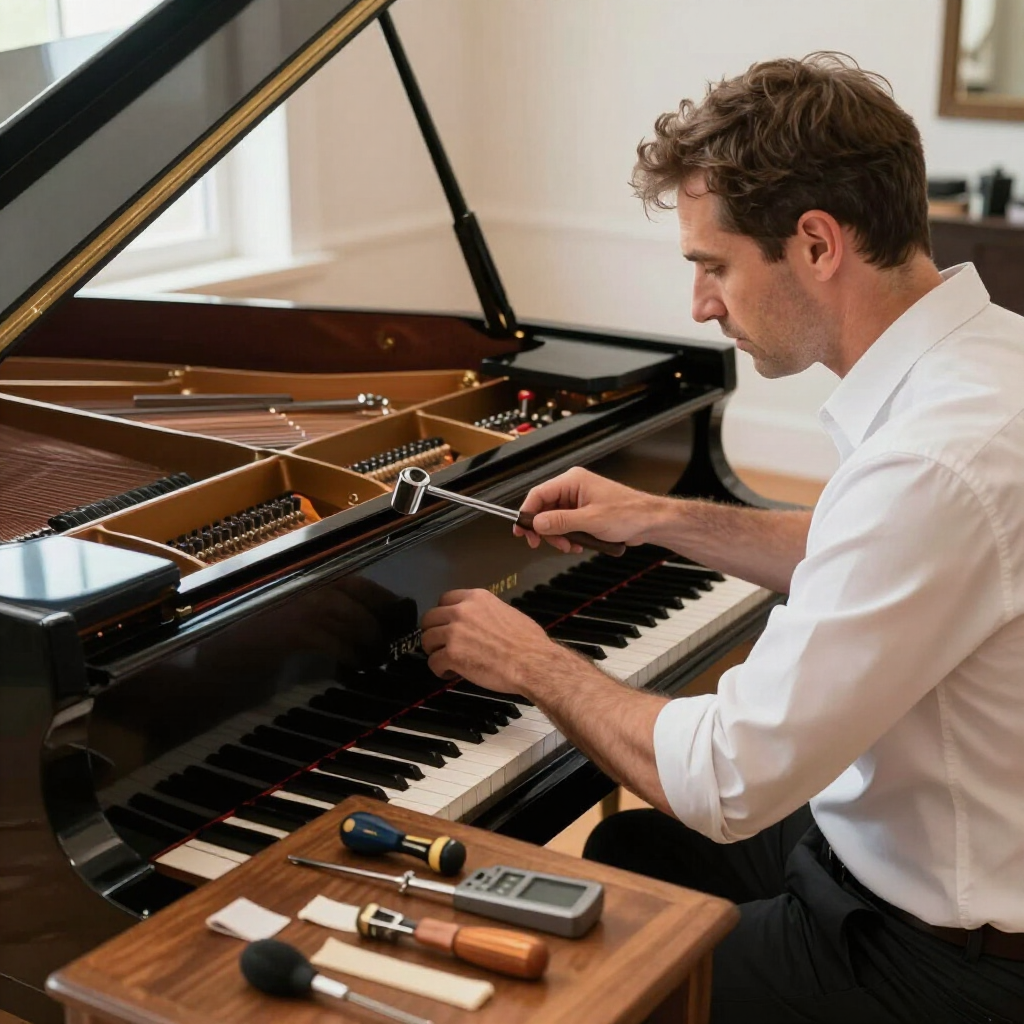
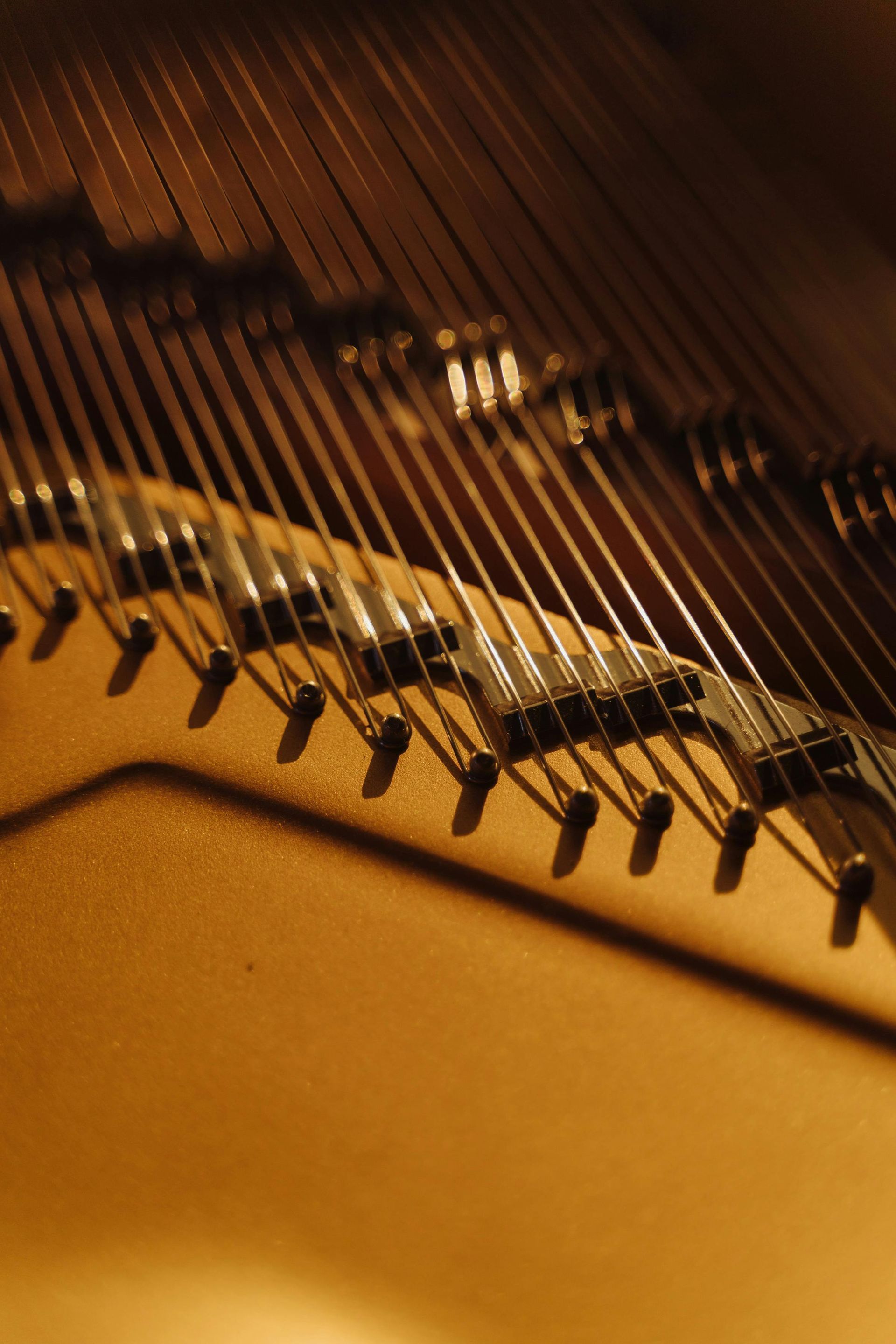
If you’ve ever watched a technician tune your piano, you’ve probably heard them hit the same pair of notes over and over while listening intently. To an untrained ear, it sounds repetitive. But to a piano tuner, those repeated notes reveal a distinct acoustic phenomenon: beats.
What Is a "Beat"?
In piano tuning, a "beat" isn't a musical rhythm you tap your foot to. It’s a subtle, rhythmic "wah-wah-wah" pulsing in the sound.
When two piano strings vibrate at slightly different speeds, their sound waves clash and combine. When the waves reinforce each other, the note gets louder; when they cancel each other out, it gets quieter. That rapid fluctuation in volume is the beat.
- Faster beats mean the two strings are farther apart in pitch.
- Slower beats mean the strings are getting closer together.
- No beats (Zero Beats) mean the strings are in perfect unison.
How Tuners Use Beats
Piano tuners use these audible pulses as precise guides to adjust string tension:
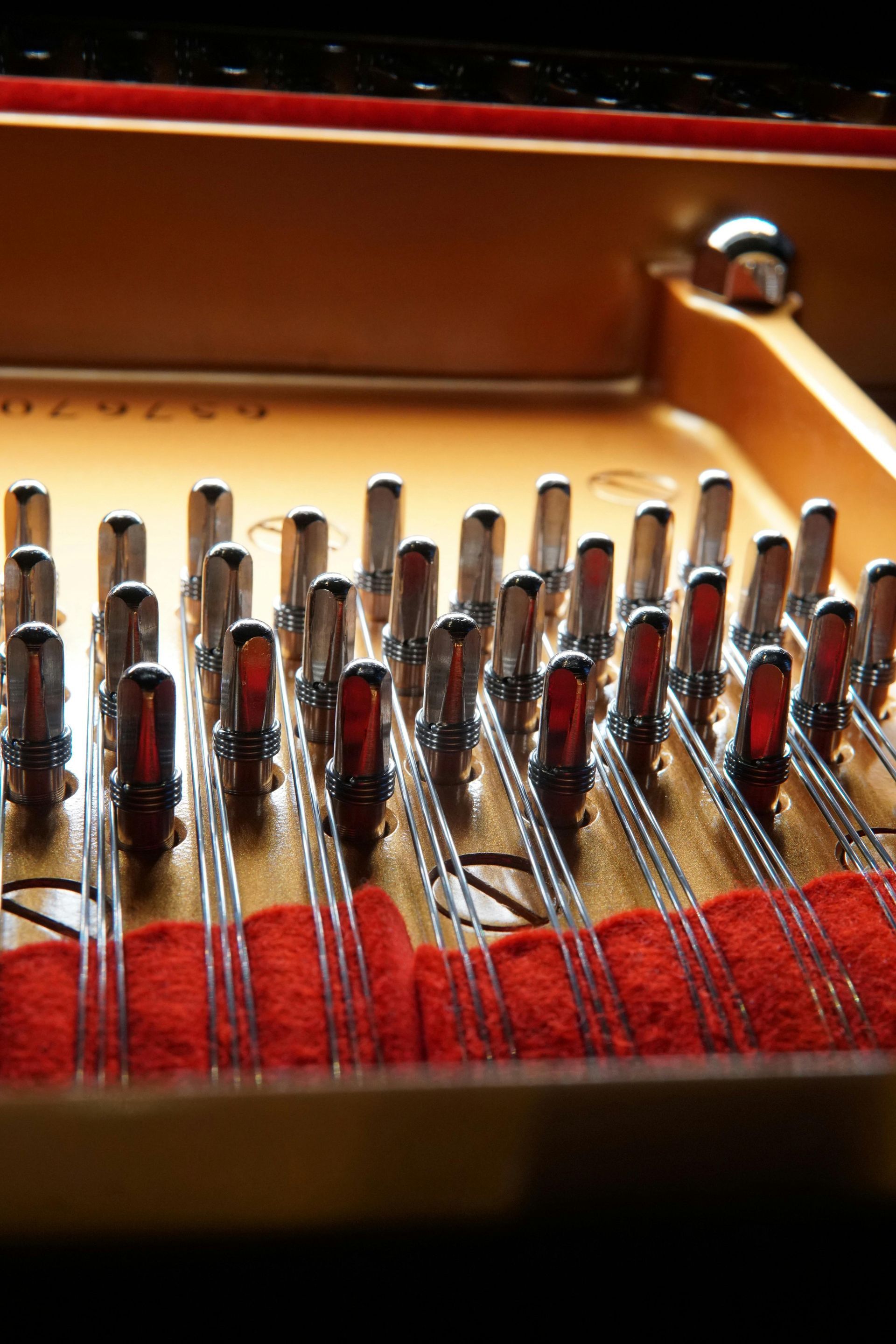
- Tuning Unisons (Clean Notes): Most piano keys hit two or three strings at once. When tuning these strings to match, the technician turns the tuning pin until the "wah-wah" pulsing slows down, expands, and completely disappears into one clear tone.
- Setting Intervals (Harmony): Pianos aren't tuned to mathematically perfect intervals because doing so would make playing in different musical keys sound out of tune. Instead, tuners intentionally set specific, controlled beat rates—some slow rolls and some faster shimmers—so every key on the piano plays nicely together.
Sound Shaping in Action
While electronic tuners can check frequencies, tuning a piano by ear is about how sound waves blend in the room. The next time you hear your technician playing an interval repeatedly, they are listening to fractions of a vibration to give your instrument a clean, vibrant voice.